Administrador de fincas vs property manager: who does what in a Spanish building
Last updated: 26 September 2026
Owners of a flat in Valencia get two kinds of message in Spanish: one about the building, one about the flat. They come from different people, and mixing them up turns a small leak into a month of emails. This guide to administrador de fincas vs property manager explains how a Spanish building is run, who works for whom, and where the two roles meet.
How a Spanish building is run
A Spanish block of flats is run by its owners together, as a comunidad de propietarios (community of owners) under the Ley de Propiedad Horizontal (LPH), the 1960 law on buildings divided into flats.
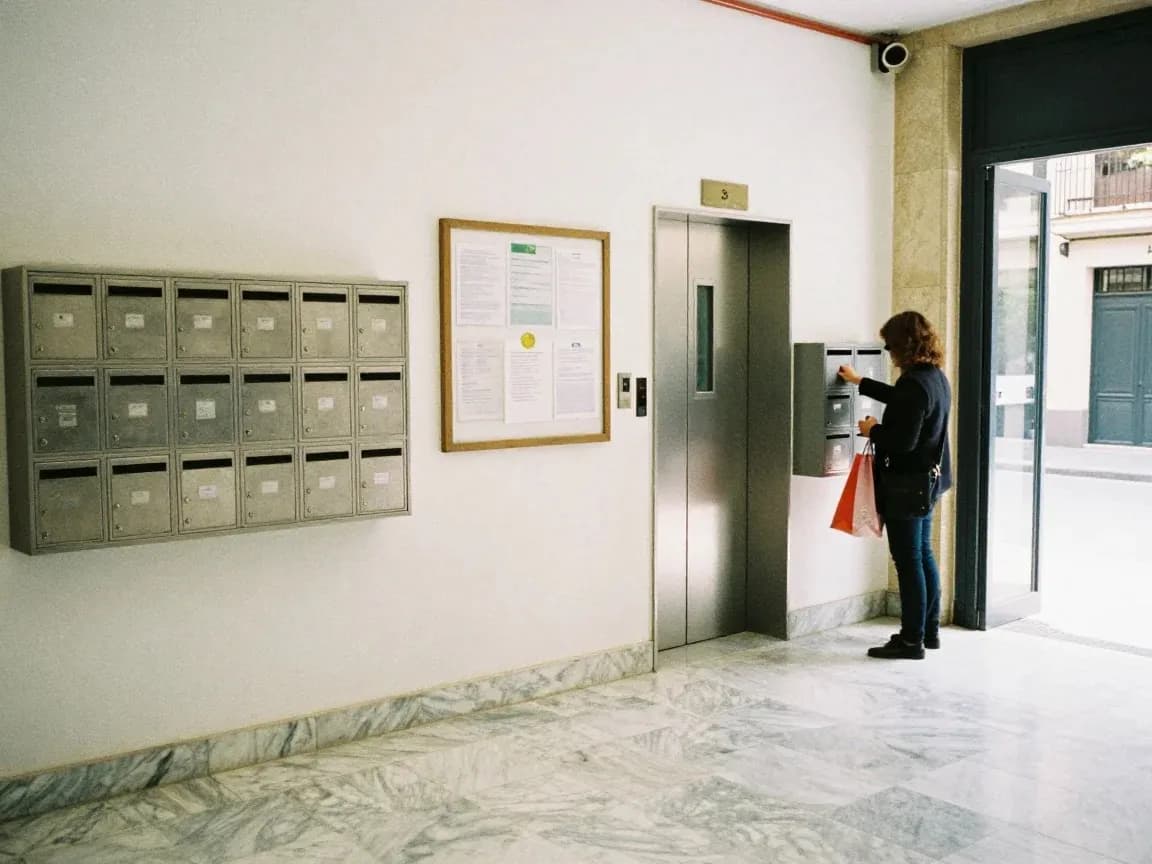
You own your flat outright and co-own the rest with your neighbours: roof, facade, stairs, lift, and the water and drainage pipes up to where they enter a private flat.
Each flat has a cuota de participación (participation share), a percentage fixed in the deed that divided the building. It sets your share of the costs and the weight of your vote.
President, secretary and administrator
Every community has a general meeting of owners, a president, a secretary and an administrator, and unless the owners decide otherwise the president also does the other two jobs.
President. Chosen from among the owners by vote or, failing that, by rotation or lottery. The post is compulsory: to be excused, an owner must ask a judge within 1 month. The president represents the community in and out of court.
Secretary. Keeps the minutes and records, issues the certificate of community debts needed when a flat is sold, and is where you register an address in Spain for notices.
Administrator. Looks after the building, prepares the expense plan for the meeting, orders urgent repairs and reports them to the president, carries out approved works, collects and pays, and keeps the documents. The post can go to any owner, an individual with a legally recognised professional qualification, or a company.
The general meeting, fees, reserve fund and derramas
The junta de propietarios (general meeting) meets at least once a year to approve the budget and accounts, and that budget, split by participation share, becomes your community fees.
The meeting. Notice goes out at least 6 days ahead. You can attend or send a representative with a signed letter. An owner behind with payments can speak but not vote. An absent owner who does not object to the secretary within 30 calendar days of being notified usually counts as voting in favour.
Community fees. Cuotas (community fees) pay for running the building: typically stair cleaning, lift maintenance, communal lighting and repairs. Not using a service does not exempt you.
Reserve fund. Every community must keep a fondo de reserva (reserve fund) of at least 10% of its last ordinary budget, for conservation and repair works and certain accessibility and energy-efficiency works.
Derramas. A derrama is a one-off extra contribution when a job costs more than the budget covers. Works needed to keep the building safe and in good repair are compulsory without a vote; the meeting only decides how to split the derrama and when it is paid.
For owners abroad: without an address in Spain registered with the secretary, notices go to the flat, and handing them to whoever lives there counts as delivery, which in a let flat means your tenant.
The administrador de fincas works for the building
An administrador de fincas is the professional a community appoints as its administrator, and in that role they work for the community of owners as a whole, not for any one owner.
The general meeting hires and removes them, and their fee is a community cost shared through everyone's fees. They carry out what the majority decides, including decisions you voted against. The profession also serves individual owners, but under a separate contract.
In Valencia, the profession's official body is the Colegio de Administradores de Fincas de Valencia y Castellón, a public-law corporation that offers a search of its members and mediation between members and their clients.
Whether colegio membership is compulsory is disputed. Proposed new national statutes for the colegios would make membership a condition of practice; in December 2024 the competition authority, the CNMC, recommended removing that requirement while no statute requires it. Since 2023 the housing law has required administradores de fincas to have the necessary professional training and civil liability insurance. The practical step is to ask whether your administrator is colegiado (a colegio member) and insured.
A property manager works for you
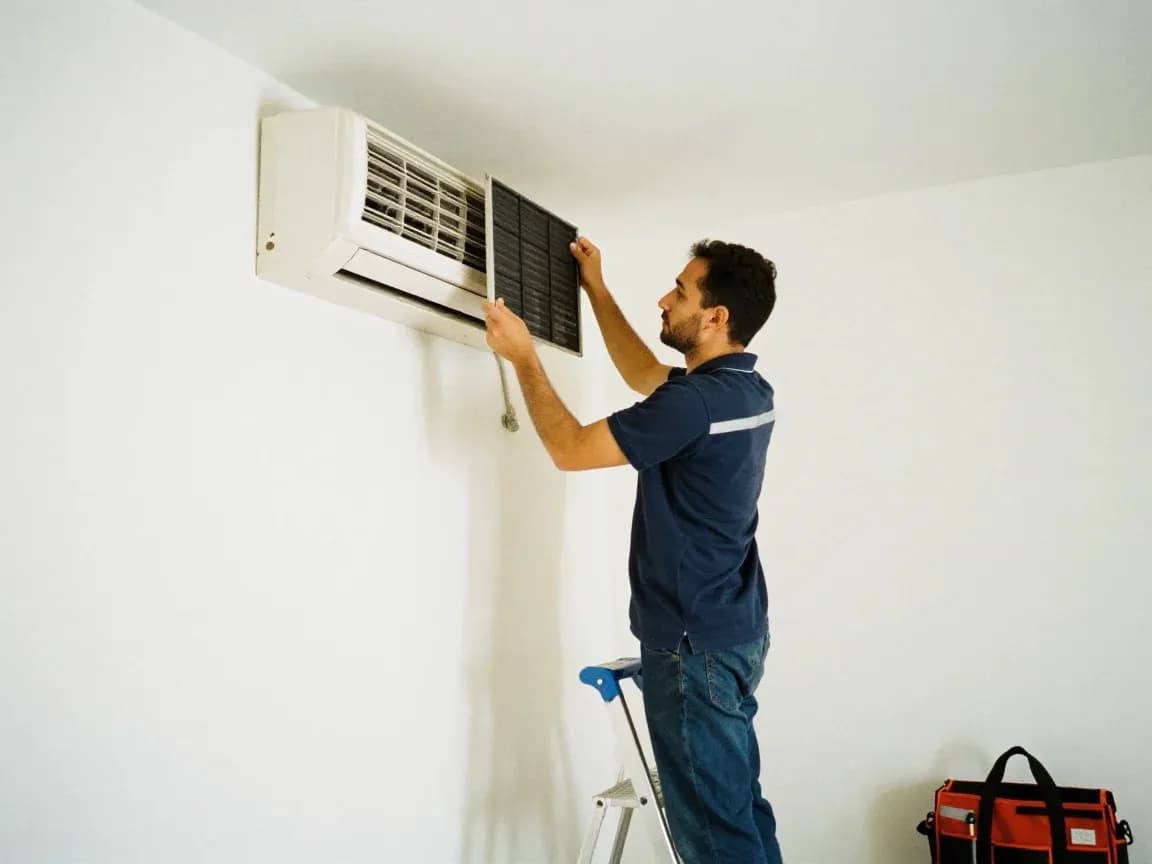
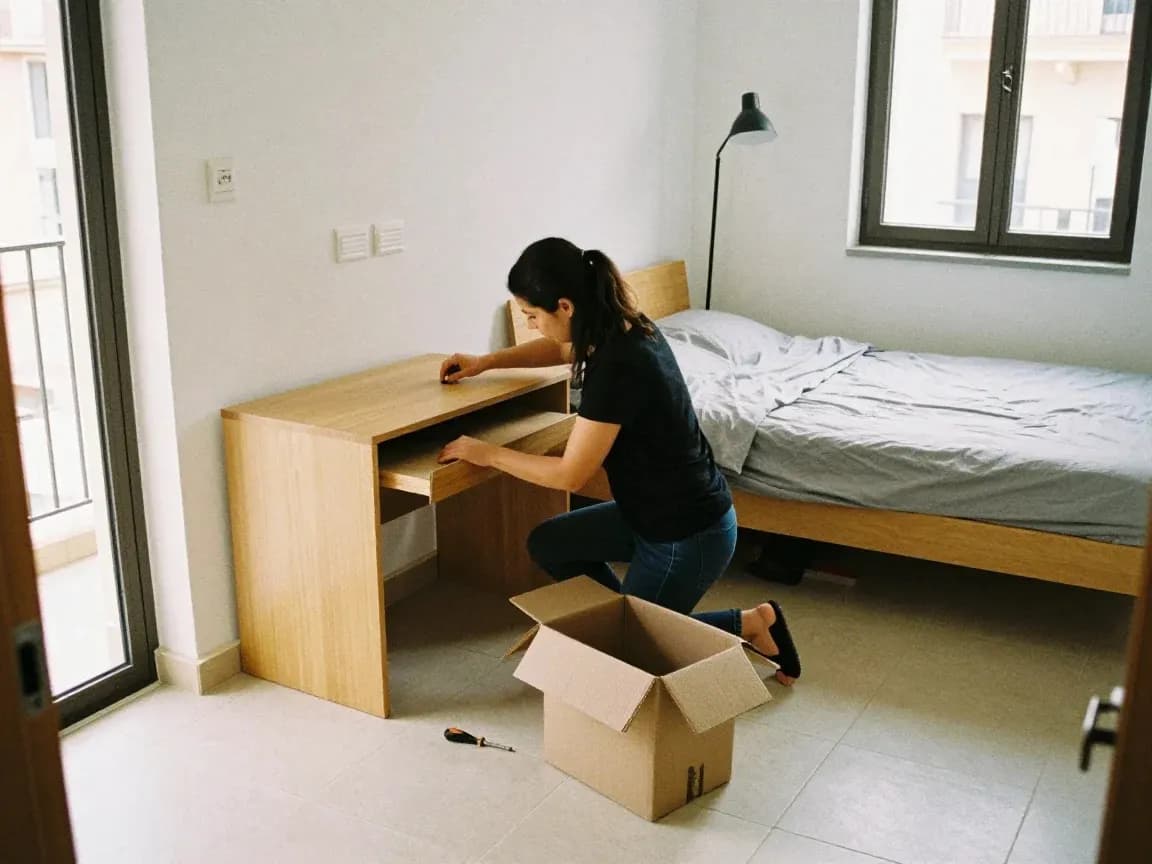
A property manager works for one owner under a private contract and looks after that owner's flat and tenancy: tenants, rent, repairs inside the flat, cleaning, inventories and legal support if a tenant dispute arises.
Inside your front door, the flat and its private installations are yours to keep in good order. With a tenant on a standard residential contract, the landlord makes the repairs needed to keep the flat habitable, and small repairs from ordinary use fall to the tenant.
What a property manager actually does walks through a normal month, and Preparing a flat for the next tenant covers the changeover.
At Nestor, one team, one contract and one monthly report cover tenants, rent collection, cleaning, maintenance, repairs, renovations and legal support, in English and Spanish. Repairs above an agreed threshold are quoted and approved by the owner before work starts, emergencies such as a burst pipe are handled immediately and reported straight away, and tenants have a 24/7 helpline. Still choosing the type of let? Read Mid-term or long-term let.
Administrador de fincas vs property manager side by side
The quickest test is to ask who signed the contract: the community appoints the administrador de fincas, and the owner hires the property manager.
Administrador de fincas | Property manager | |
|---|---|---|
Works for | The community of owners as a whole | One owner, or one company |
Appointed by | The general meeting, for 1 year unless the statutes say otherwise | The owner, by private contract |
Paid by | All owners, through the community budget | The owner, through a management fee |
Looks after | Roof, facade, stairs, lift, communal pipes and installations | The flat, its contents and the tenancy |
Money | Community fees, building bills, reserve fund | Rent, deposits, the owner's monthly statement |
Repairs | Communal parts; urgent repairs reported to the president | Inside the flat; quoted and approved by the owner |
Your tenant | Building rules apply to them as an occupant | Contract, deposit, inventory, calls, disputes |
Where the two roles meet
The two roles meet wherever a building problem reaches a flat, and the owner is the link between them.
A leak from a communal pipe (typical scenario). The tenant calls: water is coming through the kitchen ceiling from a shared downpipe in the wall. Pipes are communal up to where they enter a flat, so the repair belongs to the community. The owner must tell the administrator without delay and allow access, and the administrator orders the urgent repair. The property manager's part is the flat: answer the tenant, limit the damage, report it with photos, arrange access and repair the kitchen afterwards.
Community fees in the tenant contract. In a standard residential let, the tenant can agree to pay the flat's share of community costs, but only in writing and with the annual amount stated at signing. The community still charges the owner, and unpaid fees cost the owner the vote at the next meeting.
Votes on tourist lets. Under LPH article 17.12, as amended by Ley Orgánica 1/2025, approving, limiting, conditioning or banning tourist lets needs 3/5 of all owners holding 3/5 of the participation shares, and the same majority can raise a tourist flat's share of common costs by up to 20%. Since 3 April 2025 a new tourist let needs the community's express prior approval. These decisions are not retroactive, and a furnished temporary contract (arrendamiento de temporada) is a different contract under Spanish tenancy law.
Owning a whole building
When one owner holds every flat in a building, there are no other owners to vote with or share costs with, so the communal parts become part of the owner's own management job.
Nestor's building management covers concierge, maintenance, cleaning, landscaping and security; fire alarms, lifts and installations; and tenant relations and monthly rent collection, for whole buildings and for portfolios of up to several hundred units.
If flats are later sold to different owners, the building becomes a community of owners and everything above applies.
Who to call
Building problems go to the administrador de fincas, flat and tenant problems go to the property manager, and the owner decides where the two meet.
If you own a flat or a whole building in Valencia, see our services or send the address, the size and what is bothering you to the Nestor team. You get a written proposal with a fixed monthly fee, with no visit required and no obligation.
Frequently asked questions
What is the difference between an administrador de fincas and a property manager?
The administrador de fincas works for the community of owners and looks after the building's communal parts, budget and meetings. A property manager works for one owner and looks after that owner's flat, tenant and rent.
Does an administrador de fincas have to be a member of a colegio?
This is disputed. The LPH allows any owner, a qualified individual or a company to act as administrator, and in December 2024 the CNMC recommended against compulsory membership without a law requiring it. The 2023 housing law does require civil liability insurance.
What is the minimum reserve fund in a Spanish community of owners?
At least 10% of the community's last ordinary budget. The fund belongs to the community and pays for conservation, repair and certain accessibility and energy-efficiency works.
Can I be made president of my community if I live abroad?
Yes, the law makes no exception for owners who live abroad. The president is chosen from among all owners by vote, rotation or lottery, and the post is compulsory. An owner with good reasons can ask a judge to be relieved within 1 month.
Can the community ban tourist lets in my building?
Yes, with 3/5 of all owners holding 3/5 of the participation shares. The decision is not retroactive, and since 3 April 2025 a new tourist let needs the community's express prior approval.
Does a building with one owner need an administrador de fincas?
When one owner holds every flat, there are no other owners to meet with or share costs with, so the owner runs the communal parts directly. Nestor's building management covers those communal parts for whole buildings in Valencia.